

Views: 0 Author: Site Editor Publish Time: 2026-03-11 Origin: Site


Baby diapers are essential products in infant care, designed to provide comfort, hygiene, and convenience for both babies and parents. They are worn by infants and toddlers to absorb and contain urine and feces, preventing messes and skin irritation. The significance of diapers goes beyond just keeping babies dry; they play a critical role in maintaining skin health, preventing diaper rashes, and contributing to overall well-being by offering a hygienic solution for waste management.
The evolution of diapers over time has greatly impacted both comfort and convenience for parents. From the early days of cloth diapers, which required frequent washing and manual effort, to the advent of disposable diapers that brought unmatched convenience, the development of diapers has been driven by the need for improved hygiene, ease of use, and long-lasting protection for babies. Innovations in materials and design have led to products that are more absorbent, softer, and better at preventing leaks, ensuring babies are comfortable throughout the day and night. As diapers continue to evolve, both environmental sustainability and consumer preferences are shaping the next stages in their development.
Cloth diapers have been in use for centuries, long before the advent of disposable options. In ancient civilizations, parents used natural materials such as animal skins, leaves, and cloth to manage their babies' waste. As time progressed, fabric became the most commonly used material, and early cloth diapers were typically made from linen, cotton, and flannel. In the 19th century, advancements in fabric manufacturing led to the use of softer, more absorbent cotton, which became the standard material for cloth diapers.
In early child-rearing, cloth diapers were an essential part of parenting, as they were the only option available for managing waste. The diapers were either secured with pins or, later, with rubber bands. Parents would need to wash and reuse these cloth diapers, often boiling them for sterilization. This made cloth diapers a practical choice for families, especially during times of limited access to disposable products.
Cost-Effective: Cloth diapers were inexpensive in comparison to disposable ones, especially over the long term, since they could be reused multiple times.
Environmentally Friendly: Being reusable, cloth diapers had a lower environmental impact than disposables, which contribute to landfills.
Gentle on Baby's Skin: Cloth diapers were made from natural fibers, which were less likely to cause irritation or allergies compared to the synthetic materials used in some disposable diapers.
Customizable Fit: Cloth diapers could be tailored to fit each baby perfectly, often making them more comfortable.
Labor-Intensive: Cloth diapers required constant washing, drying, and sterilization, which was time-consuming for parents.
Limited Absorbency: While cloth diapers worked well for short periods, they weren’t as absorbent as modern disposables, often leading to leaks or the need for frequent changes.
Bulky: Early cloth diapers were thick and bulky, making them less comfortable for babies, especially as they grew.
Inconvenience for Travel: The need to carry dirty diapers around while out and about, along with the washing requirements, made cloth diapers less practical for traveling parents.
The invention of disposable diapers in the mid-20th century revolutionized baby care. Prior to disposables, cloth diapers were the primary choice, but they required constant washing and maintenance. Seeking a more convenient solution, Vic Mills, a scientist at Procter & Gamble (P&G), led a team in the late 1940s to create a disposable option. In 1961, they launched Pampers, the first commercial disposable diaper, which quickly gained popularity for its convenience, hygiene, and comfort.
Absorbent Materials:
Early disposables used cellulose from wood pulp to absorb moisture. In the 1980s, the introduction of superabsorbent polymers (SAP) dramatically improved absorbency, allowing thinner diapers with better performance.
Waterproof Outer Layer:
A waterproof outer layer made of polyethylene prevented leaks, addressing one of the major shortcomings of cloth diapers.
Improved Fit:
Elastic waistbands and leg cuffs improved the fit, reducing leaks and offering better comfort for active babies.
Convenience and Hygiene:
Disposable diapers provided unparalleled convenience—parents could simply change and dispose of the diaper, avoiding the labor of washing and sterilizing cloth versions.
Mass Production:
Advances in mass production and the growing demand for convenience made disposable diapers affordable and widely available, leading to their dominance by the 1970s and 1980s.
The 1970s saw a surge in the popularity of disposable diapers, driven by their convenience and the growing demand for time-saving products. As disposable diapers became more accessible and affordable, they quickly gained favor among parents who appreciated not having to wash and sterilize cloth diapers. By the 1980s, disposables were firmly established as the preferred choice for baby care worldwide.
The convenience of easy disposal, better absorbency, and a more comfortable fit made disposable diapers a staple in modern parenting. Major brands like Pampers, Huggies, and Luvs competed to improve their products, offering enhanced leak protection, softer materials, and better sizing options.
However, with the rise of disposable diapers came concerns about their environmental impact. These diapers, made from materials that take centuries to decompose, contributed to growing environmental awareness. This led manufacturers to explore eco-friendly alternatives and sustainable practices.
Biodegradable Materials:
Some brands began using biodegradable materials such as plant-based plastics and wood pulp to reduce the environmental footprint of disposable diapers.
Recyclable Components:
Efforts were made to incorporate recyclable materials in diaper packaging and components, although full recycling remains challenging due to contamination.
Waste Management Practices:
Brands started offering disposable diapers with compostable linings and improved waste management features to reduce landfill impact.
In response to consumer demand for sustainability, manufacturers explored greener alternatives, reducing chemicals in production and using more eco-friendly packaging. While challenges remain, these innovations represent the industry's efforts to balance convenience with environmental responsibility.
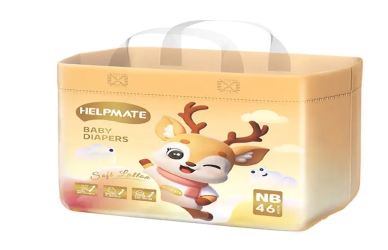
Today’s diaper market is diverse, offering everything from premium brands to eco-friendly options. Parents are increasingly looking for products that balance comfort, convenience, and sustainability.
Premium diaper brands like Pampers, Huggies, and Luvs remain popular due to their high absorbency, leak protection, and advanced comfort features. These brands often use superabsorbent polymers (SAP) and breathable materials for longer-lasting wear.
However, there is a growing shift toward eco-friendly alternatives. Brands such as Honest Company and Seventh Generation offer plant-based, chemical-free diapers designed to reduce environmental impact while still providing excellent absorbency and comfort.
Hybrid diapers, combining cloth exteriors with disposable, biodegradable inserts, are becoming more popular. These models offer a combination of convenience and sustainability, appealing to parents who want to reduce waste without sacrificing ease of use.
Today's parents prioritize:
Comfort: Softness, fit, and absorbency are key.
Sustainability: More parents are choosing eco-friendly options.
Convenience: Despite sustainability concerns, many prefer the ease of disposables.
Price: Parents are willing to pay more for better performance and eco-conscious products.
Cloth diapers were reusable and cost-effective over time, making them an economical option for families. They were also environmentally friendly when properly washed and reused, as they reduced the amount of waste sent to landfills. Furthermore, cloth diapers were made from natural materials like cotton, which were gentle on babies' sensitive skin.
Disposable diapers became popular due to their unmatched convenience and hygiene. Parents no longer had to spend time washing and sterilizing cloth diapers. They provided a more time-saving solution, especially for busy parents, as they could simply dispose of the used diapers. Their improved absorbency and leak protection made them highly practical, especially for long stretches between changes.
Yes, there are modern eco-friendly diapers available that use biodegradable materials, such as plant-based plastics and natural fibers. These diapers aim to reduce the environmental impact by using sustainable materials and manufacturing processes. Some eco-friendly options also prioritize chemical-free ingredients to ensure they are gentle on babies' skin while remaining environmentally conscious.
When choosing diapers, key factors to consider include absorbency, softness, and fit to ensure comfort and leak protection. Skin-friendliness is also crucial to avoid irritation or allergic reactions. Additionally, many parents are now considering eco-friendly options by selecting diapers from brands that align with their environmental values and sustainability goals.
The future of baby diapers will be shaped by a growing focus on environmental consciousness, innovation, and the evolving needs of consumers. As awareness of environmental issues continues to rise, manufacturers will increasingly prioritize sustainability, incorporating biodegradable materials, reducing waste, and improving recycling processes. At the same time, the demand for high-performance products will push the diaper industry to innovate, ensuring diapers remain highly absorbent, leak-proof, and comfortable for babies while addressing eco-friendly goals. The rise of hybrid models and advances in sustainable production methods suggest that the diaper industry will continue to offer both convenience and environmental responsibility. As parents seek more sustainable choices without sacrificing functionality, the diaper industry will evolve to meet both functional and sustainability needs, shaping a greener, more efficient future for baby care.
If you need to purchase or consult about baby diapers, please feel free to contact us now.


