

Views: 0 Author: Site Editor Publish Time: 2026-03-11 Origin: Site


Sanitary pads are an essential product for menstruating individuals, designed to absorb menstrual blood and maintain hygiene during the menstrual cycle. Choosing the right sanitary pad is crucial for ensuring comfort, health, and convenience throughout the day. The proper pad helps prevent leaks, reduces the risk of irritation, and promotes overall well-being. With various types, absorbency levels, sizes, and materials available, it’s important to select a pad that suits your flow, skin sensitivity, and lifestyle. Whether for daily use, exercise, or overnight protection, the right sanitary pad ensures you can go about your activities with confidence and comfort.
When selecting the right sanitary pad, several factors must be considered for comfort, protection, and hygiene. These include absorbency, size, material, wings, and breathability.
Choose a pad based on your menstrual flow: light flow requires "light" pads, moderate flow needs "regular" pads, and heavy flow or overnight use requires "super" or "overnight" pads. Regular changes are essential for comfort and hygiene.
Pads vary in size and shape to suit different body types. Longer pads offer better overnight protection, while shorter, more compact ones are ideal for daytime use. Choose the right size for your body and needs for optimal comfort.
Pads made of cotton are soft and breathable, ideal for sensitive skin, while synthetic materials like rayon may cause irritation for some. Organic or hypoallergenic options are good for reducing skin issues.
Pads with wings provide extra security, preventing leaks and shifting, especially during heavy flow days or for active individuals. Pads without wings offer more comfort and discretion, suitable for light flow days.
Breathable pads, often made of cotton or with air channels, allow air circulation, keeping the skin dry and reducing irritation. These pads are especially beneficial for maintaining hygiene and comfort during physical activities or warm weather.
There are several types of sanitary pads, each designed for different flow levels and needs. Understanding these options will help you choose the best one for your comfort and protection.
Regular pads are ideal for average flow days. They offer moderate absorbency and are designed to provide comfort and protection during typical daytime activities. These pads are a good choice for most people during the middle days of their menstrual cycle.
Overnight pads are specifically designed for heavy flows or for use during sleep. These pads are longer and more absorbent, providing extra protection to prevent leaks while you sleep. They often have added width at the back for additional coverage throughout the night.
Panty liners are the thinnest pads and are ideal for light flow days or daily use. They provide minimal absorbency and are great for freshness or for use as backup protection with tampons or menstrual cups. Panty liners are also suitable for spotting or at the end of a period.
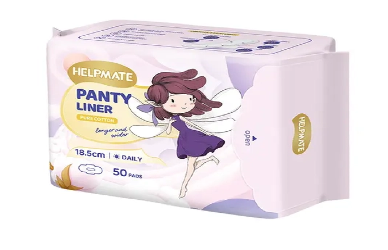
When you have sensitive skin, choosing the right sanitary pad becomes even more important to avoid irritation, rashes, or allergies. Here are some key considerations to help you select a pad that reduces discomfort and promotes skin health.
Pads made from hypoallergenic or organic materials, like cotton, are ideal for sensitive skin. These pads are often free from harsh chemicals, fragrances, and dyes, which can trigger irritation. Organic cotton pads are gentle on the skin, offering natural softness while minimizing the risk of allergic reactions or rashes.
Fragrance added to sanitary pads can cause allergic reactions and skin irritation, particularly for those with sensitive skin. It's best to choose fragrance-free pads, as they are less likely to cause discomfort and are often gentler on the skin. Many brands now offer unscented options that provide the same level of protection without the added risk of irritation.
Breathability is an essential feature when choosing a pad for sensitive skin. Pads made from natural or breathable materials like cotton allow air to circulate, keeping the skin dry and reducing moisture buildup, which can lead to rashes and infections. Breathable pads help maintain hygiene and ensure greater comfort during menstruation, particularly for those prone to irritation.
The surface of the pad should be soft and smooth to avoid friction against the skin, which can lead to redness or rashes. Avoid pads with rough or textured surfaces, as they may cause discomfort. Look for pads that feature a silky or cotton-soft top layer for added comfort.
Helpmate is a trusted brand, especially known for offering a wide range of sanitary products including baby diapers, adult diapers, and sanitary pads. Their products are designed for maximum comfort, absorbency, and skin protection. Many customers praise Helpmate pads for their reliable performance and high-quality materials, particularly for those looking for eco-friendly and hypoallergenic options.
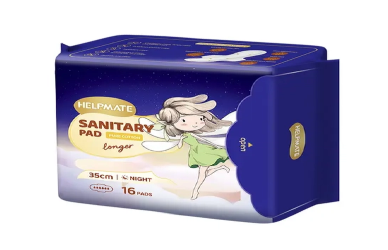
Maintaining proper hygiene during menstruation is crucial for comfort, health, and preventing infections. Here are some essential tips to help you stay clean and comfortable throughout your cycle.
Change Every 4-6 Hours: It is recommended to change your pad at least every 4-6 hours, or more frequently if needed, depending on your flow. This helps prevent odor, discomfort, and leakage.
Adjust According to Flow: On heavy flow days, change pads more often, especially if they become saturated. On lighter days, you can extend the time between changes, but always ensure the pad isn't soaked.
Listen to Your Body: If you feel discomfort or notice any leakage, it's a sign to change your pad. Regular changes help keep you fresh and prevent irritation.
Wrap and Dispose of Pads Properly: After use, wrap your pad securely in the wrapper it came in or use toilet paper to wrap it. This helps contain odor and bacteria.
Avoid Flushing Pads: Never flush used pads down the toilet, as they can cause blockages. Always dispose of them in a trash bin.
Use a Disposal Bag: If you're on the go, consider carrying a small disposal bag to wrap used pads. This keeps things discreet and hygienic until you can properly dispose of them.
Clean the Area Regularly: Wash the genital area with warm water and mild, fragrance-free soap to avoid irritation. Do this during your bath or shower to keep things fresh and reduce the risk of infection.
Wear Breathable Fabrics: Choose cotton underwear and avoid tight-fitting clothing to ensure proper airflow and prevent excess moisture buildup, which can lead to irritation or infections.
Stay Hydrated: Drink plenty of water to stay hydrated and help your body maintain overall hygiene and health during your period.
A1: Choose based on your flow: light flow, regular, or heavy flow. You can adjust throughout your cycle depending on the amount of menstrual flow.
A2: Pads with wings provide extra security and prevent shifting, especially for those with a heavier flow. However, some prefer pads without wings for comfort.
A3: Yes, opt for pads made from organic cotton or hypoallergenic materials, which are less likely to irritate your skin. Always check for fragrance-free options.
A4: It is recommended to change your sanitary pad every 4-6 hours to maintain hygiene, or sooner if it becomes soiled or uncomfortable.
Choosing the best sanitary pad is essential for maintaining comfort, health, and hygiene during menstruation. It’s important to select a pad based on factors such as absorbency, size, material, and shape to suit your flow and body type. Pads made from breathable, hypoallergenic materials like cotton can help reduce irritation, especially for sensitive skin. Additionally, pads with wings provide extra security, while breathable designs prevent moisture buildup and ensure comfort throughout the day. Regularly changing pads and using proper disposal methods also play a crucial role in maintaining hygiene. By considering these factors, you can select the right sanitary pad that meets your personal needs, ensuring maximum protection and comfort during your menstrual cycle.


