

Views: 0 Author: Site Editor Publish Time: 2026-09-22 Origin: Site


Hygiene product manufacturing carries incredibly high stakes. A single defective batch can trigger massive product recalls, while chemical irritants or heavy metal contamination will cause permanent brand damage. Regulatory agencies act swiftly when infant safety is compromised. The global market is heavily saturated with suppliers claiming high quality. This makes it difficult for brands to distinguish between a legitimate, high-capacity facility and a middleman trading company. Sourcing the right partner requires strict due diligence and a deep understanding of factory floor operations. We introduce a technical, evidence-based framework for evaluating a manufacturing partner. You will learn how to assess material sourcing, core technology, compliance standards, and supply chain resilience. By applying these criteria, you can confidently secure a production line that meets strict safety tolerances and scales with your market demand.
Material Transparency is Non-Negotiable: Reliable manufacturers provide full traceability for Super Absorbent Polymers (SAP), fluff pulp, and adhesives, ensuring no heavy metals or harmful chemicals are present.
Core Technology Defines Market Positioning: The ability to produce both traditional fluff pulp cores and modern ultra-thin composite cores separates basic suppliers from advanced manufacturing partners.
Certifications Validate Claims: Shortlist only facilities that hold verifiable ISO 9001, FDA, or CE certifications, alongside ethical and environmental audits (e.g., FSC, BSCI).
Production Technology Dictates Consistency: Automated, high-speed lines with integrated visual defect detection separate top-tier hygiene products manufacturers from inconsistent suppliers.
Scalability Requires Direct Auditing: True manufacturing partners offer transparent Minimum Order Quantities (MOQs), verifiable lead times, and robust R&D capabilities for OEM/ODM customization.
The foundation of any hygiene product lies in its raw materials. Super Absorbent Polymers (SAP) dictate the fluid retention capacity. High-quality SAP absorbs liquid rapidly under pressure. We look for a retention capacity of at least 30 grams of saline solution per gram of SAP. Top-tier factories source SAP from established chemical giants. Cheaper alternatives often suffer from high rewet rates, meaning the liquid seeps back under pressure. We mandate a maximum rewet rate of 0.5 grams during our lab testing. Chlorine-free fluff pulp provides the structural matrix for the core. Breathable back-sheets allow water vapor to escape while blocking liquid. This keeps the baby dry and prevents diaper rash. Hypoallergenic top-sheets must remain soft against sensitive skin. You must evaluate the basis weight, measured in grams per square meter (GSM), of these non-woven fabrics. A standard top-sheet should run between 12 and 15 GSM for optimal softness.
Request Material Safety Data Sheets (MSDS) from your baby diaper supplier. This documentation verifies the absence of phthalates and toxic chemicals. Volatile organic compounds (VOCs) must not be present in the construction adhesives. Heavy-metal-free dye pigments are an absolute requirement. Safe inks prevent severe dermatological reactions. You need these safe inks specifically for wetness indicators and printed back-sheets. A reputable factory will gladly provide lab test results for all dyes used in their production. We always demand third-party lab verification for lead, cadmium, and mercury levels in any printed components.
The industry is actively shifting away from older designs. Traditional cores use a bulky mixture of wood pulp and SAP. These older designs often clump and sag when heavily saturated. Modern designs utilize ultra-thin composite cores. These advanced cores rely on airlaid paper and highly concentrated SAP layers. They offer superior flexibility and prevent liquid pooling.
Evaluate a factory's capability to manufacture both core types. This assessment reveals their true technological maturity. It demonstrates their ability to cater to different market tiers. Premium brands almost exclusively demand ultra-thin composite cores. Economy brands often stick with traditional fluff pulp to reduce unit costs. A factory that masters both processes offers you greater product line flexibility. When auditing a facility, check their core forming drums. The precision of the drum dictates how evenly the SAP is distributed across the fluff matrix. Uneven distribution leads to localized leaking. Advanced machines use 3D core forming technology to create channels that direct fluid away from the point of insult.
Core Structure Comparison
Feature | Traditional Fluff Pulp | Ultra-Thin Composite |
|---|---|---|
Primary Materials | Wood pulp mixed with SAP | Airlaid paper layered with SAP |
Thickness Profile | Bulky and thick | Slim and flexible |
Wet Performance | Prone to sagging and clumping | Maintains shape, prevents pooling |
Target Market Tier | Economy to Mid-range | Premium |
You must audit the critical stages of the factory assembly process. Start by observing the fluff milling and SAP mixing stations. Hammermills must process the pulp uniformly. Uneven milling causes hard spots in the finished product. Check the core forming and web tension control systems. Proper tension prevents the non-woven materials from stretching or tearing during high-speed assembly. We also inspect the splicing units. Automatic zero-speed splicers join new rolls of raw material without slowing down the line, reducing waste and maintaining consistency. Look for ultrasonic bonding applications. Ultrasonic welding replaces traditional hot-melt adhesives in certain structural areas. This improves structural integrity and reduces chemical usage.
In-line visual inspection systems are non-negotiable. High-speed cameras scan every single unit on the belt. They detect misaligned cuts, missing tape, or surface contamination. Automated reject systems instantly blow defective units off the line. Metal detectors provide the final safety check. They catch stray machinery fragments before packaging. Factories lacking these automated systems will ship inconsistent batches. We recommend asking the plant manager for their standard defect rate. A well-run line should maintain a defect rate below 0.5%.
Baseline requirements start with facility management. ISO 9001 certification proves the factory has a standardized Quality Management System. A robust Quality Management System includes incoming material inspection, in-process checks, and final product testing. Ask to see their standard operating procedures (SOPs) for handling non-conforming materials. If they cannot produce a documented quarantine procedure, walk away. ISO 13485 applies specifically to medical devices. Many top-tier factories hold this certification for their sensitive hygiene products. It indicates strict environmental controls and hygiene protocols on the factory floor. Positive air pressure systems and cleanroom environments are standard in facilities holding this certification.
Verify FDA registration or CE marking for international market compliance. Do not accept a photocopy of a certificate at face value. You must check the registration numbers directly on the issuing body's official database. Dermatological certifications validate your hypoallergenic marketing claims. Dermatest is a globally recognized standard. Earning an "Excellent" rating from Dermatest proves the product will not irritate infant skin. We also look for OEKO-TEX Standard 100 certification for the textile components.
Consumer demand for sustainability continues to grow rapidly. Check for Forest Stewardship Council (FSC) certification. This ensures the wood pulp comes from responsibly managed forests. It proves the supply chain does not contribute to illegal deforestation. Brands without FSC certification face pushback from eco-conscious parents.
Ethical labor practices require independent verification. Request recent BSCI or Sedex audit reports. These audits ensure fair wages, safe working conditions, and zero child labor. Partnering with an unethical facility creates massive brand PR risks. A reliable baby diaper factory maintains transparent working conditions and welcomes third-party social audits. Review their waste management protocols as well. A responsible facility recycles scrap non-woven materials and minimizes landfill contributions. They should also have clear policies on energy consumption and water usage, especially if they operate their own fluff pulp processing units.
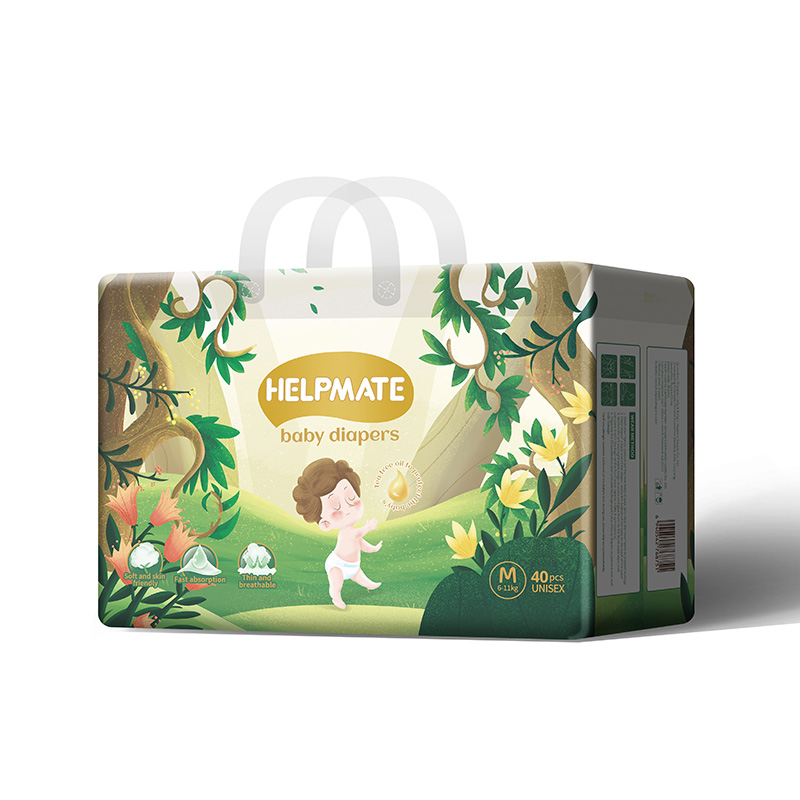
Modern diaper manufacturing lines operate at incredible speeds. Standard automated lines produce 500 to 600 pieces per minute. Advanced servo-driven machines exceed 1,000 pieces per minute. High production speeds directly improve unit economics. Faster output lowers the overhead cost assigned to each diaper.
Instruct your sourcing team to calculate a factory's true available capacity. Never rely on their stated theoretical maximum. Machines require routine maintenance and format changeovers. Switching production from a size small to a size large takes hours. Ask the factory about their Overall Equipment Effectiveness (OEE). This metric reveals their actual production efficiency and downtime. A world-class facility maintains an OEE above 85%. Anything lower indicates frequent breakdowns or inefficient changeover procedures. We track the scrap rate during these changeovers. High scrap rates indicate poorly trained operators or aging equipment.
Standard Minimum Order Quantities are typically measured by shipping container size. A 1x40HQ container is the industry standard for initial orders. MOQs fluctuate based on your specific requirements. Custom printed back-sheets require new printing cylinders. This significantly increases the minimum volume. Standard white-label designs offer much lower MOQs.
Evaluate the supplier's raw material inventory buffers. Ask how much SAP and fluff pulp they keep on hand. Insufficient raw material inventory leads to severe lead-time blowouts. This happens frequently during peak seasonal demand. Consistent supply is vital when managing wholesale baby diapers. Stockouts will destroy your retail relationships and customer loyalty. We advise drafting a Service Level Agreement (SLA) that penalizes the factory for late shipments caused by poor inventory planning. You must also account for the curing time of hot-melt adhesives. Rushing an order and packing diapers before the adhesive fully sets will cause the layers to delaminate during transit.
China offers massive economies of scale for hygiene products. Established raw material ecosystems exist within close proximity to the factories. This localized supply chain drastically lowers production costs. You must objectively weigh these cost advantages against potential supply chain complexities. Geopolitical tariffs can impact your landed costs. Ocean freight volatility also affects your profit margins.
Regional manufacturing hubs dominate the industry. Quanzhou, located in Fujian province, is highly famous for this. It hosts highly concentrated hygiene product clusters. The city provides direct access to major shipping ports. A reputable China baby diaper manufacturer often operates within this specific region. This clustering allows them to source materials quickly and efficiently. Proximity to SAP and non-woven fabric suppliers reduces inbound freight costs and shortens lead times. You can consolidate shipments from multiple component suppliers if you choose to manage the bill of materials (BOM) yourself.
Spotting middlemen requires careful documentation review. Analyze their Chinese business licenses. Check their registered capital and approved business scope. A true factory will list manufacturing and production in their scope. Trading companies will only list wholesale or export activities. Review their export records and product catalog consistency. Trading companies often sell unrelated items alongside diapers.
Partnering directly with the factory is critical for long-term success. Direct relationships ensure strict accountability. They provide much stronger IP protection for your custom designs. Troubleshooting production errors is faster when you speak directly to the engineers. Middlemen often obscure factory communication, leading to costly delays. We always demand a live video tour of the production floor to verify the machinery matches their claims. Ask the camera operator to zoom in on the machine nameplates and the current production run. This quickly exposes trading companies operating out of small office spaces.
Differentiate between private labeling and full contract manufacturing. White-labeling uses existing factory designs and molds. You simply apply your brand packaging. This offers a much faster time-to-market. Developing custom molds and unique fits requires OEM capabilities. This has a higher barrier to entry and requires significant upfront investment.
The prototyping process requires rigorous testing. You must conduct SAP absorption capacity testing. Evaluate the wet-back (rewet) rates to ensure the surface stays dry under pressure. 3D leak-guard customization is vital for preventing blowouts. The factory must adjust the hydrophobic non-woven fabric and spandex thread tension to create a secure seal around the legs. A capable baby diaper manufacturer will provide multiple prototype iterations until the fit is perfect. They will adjust the leg cuff height and the frontal tape positioning based on your feedback. We require a minimum of three wear-test panels before approving a new ODM design.
Manufacturers are actively transitioning away from traditional plastic-based ingredients. They integrate bamboo fibers for softer, sustainable top-sheets. PLA (polylactic acid) is used for bio-based linings. Biodegradable back-sheets are gaining market share. You must evaluate the factory's experience handling these delicate materials. Bamboo and PLA require different machine tension settings than standard plastics.
Address the reality and limitations of "100% biodegradable" claims. Most disposable diapers still require synthetic SAP and elastic components to function properly. Avoid greenwashing to maintain your brand credibility. Overstating environmental claims leads to consumer backlash. A top-tier hygiene products manufacturer will be completely transparent about material limitations. They will provide exact percentages of bio-based content for your marketing materials. Ask for their compostability certifications if they claim the product breaks down in municipal facilities. EN 13432 or ASTM D6400 are the standard benchmarks for these claims.
Quality fade is a severe risk in overseas manufacturing. It involves the gradual, unapproved substitution of cheaper materials over time. A supplier might use lower-grade SAP in your third order. They might switch to thinner back-sheets to increase their profit margin. This happens slowly, making it hard to detect without strict protocols.
Mitigation requires strict enforcement. Mandate third-party pre-shipment inspections for every single container. Use reputable firms like SGS, Intertek, or TUV. Establish strict Acceptable Quality Limit (AQL) standards in your manufacturing contract. Define the exact GSM of every material layer. If the inspection fails the AQL standard, the factory must remake the batch at their expense. We recommend an AQL of 1.5 for major defects and 4.0 for minor defects based on the MIL-STD-105E sampling plan. Pull samples randomly from the top, middle, and bottom of the pallets. Never let the factory pre-select the inspection samples.
Standard Non-Disclosure Agreements (NDAs) are often useless overseas. You must utilize NNN (Non-Disclosure, Non-Use, Non-Circumvention) agreements. These are legally enforceable in the manufacturer's local jurisdiction. This is absolutely necessary when sharing proprietary diaper designs.
Protect your custom absorbent core technology. Secure your unique print files and packaging artwork. A reliable manufacturing partner will sign and respect these agreements without hesitation. They understand that protecting client IP is fundamental to building long-term contract manufacturing relationships. Register your trademarks in the manufacturing country to prevent unauthorized domestic sales of your branded overruns. We also recommend splitting the manufacturing of highly sensitive components across different facilities if your core technology is truly revolutionary.
Draft a highly specific Request for Quotation (RFQ) detailing your exact SAP requirements, core structure preferences, and target certifications.
Narrow your list to three to five suppliers and request physical samples for independent lab testing of absorption and rewet rates.
Conduct virtual or in-person factory audits to verify machinery speeds, visual defect detection systems, and overall facility hygiene.
Specify your Acceptable Quality Limit (AQL) expectations and material GSM requirements upfront in the initial contract negotiations.
Hire a third-party inspection agency to evaluate the product on the factory floor before authorizing the shipment of your first container.
A: Standard Minimum Order Quantities are usually measured by shipping container size. A 1x40HQ container holds roughly 100,000 to 300,000 pieces per size. Custom prints and unique materials often increase the minimum requirement because the factory must produce new printing cylinders.
A: You must check the registration numbers directly on the issuing body's official database. Ask the supplier for a clear copy of the certificate. Search the FDA registry or the specific ISO registrar's website to confirm validity. Never accept a photocopy without independent verification.
A: Traditional cores use a bulky mix of wood pulp and SAP for absorption. They are cheaper but prone to sagging. Ultra-thin cores use SAP-laden airlaid paper. This creates a slimmer, more flexible fit that prevents liquid pooling and maintains its shape when wet.
A: OEM means the factory manufactures the product to your exact specifications, materials, and designs. ODM means the factory provides the design, R&D, and existing molds, which you then brand as your own. OEM requires higher upfront investment, while ODM offers a faster time-to-market.
A: You can perform at-home or lab tests. Pour saline solution onto the core to test absorption capacity and speed. Press a dry paper towel on the wet core to check the rewet rate. Evaluate adhesive strength on the side tapes and feel the material softness against the skin.
A: They offer a mature supply chain and access to advanced SAP and fluff pulp at scale. This localized ecosystem provides significant cost-efficiency and faster material sourcing. You must balance these production savings against longer international shipping times and fluctuating ocean freight costs.
A: Initial orders take longer due to setup requirements. Expect 30 to 45 days for initial mold creation, print cylinder setup, and raw material sourcing. Subsequent repeat orders typically take 15 to 25 days to manufacture once the supply chain is established.


