

Views: 0 Author: Site Editor Publish Time: 2026-03-11 Origin: Site


Taking care of yourself during menstruation is essential for maintaining overall health, comfort, and hygiene. Menstrual health directly impacts your daily activities, well-being, and emotional balance, so understanding how to manage your period is crucial. Proper self-care during this time not only ensures physical comfort but also prevents infections, irritations, and imbalances. The right practices—such as choosing the appropriate sanitary napkin, maintaining hygiene, staying hydrated, and managing menstrual pain—help maintain a healthy, balanced cycle, allowing you to go about your daily tasks with confidence and comfort. By prioritizing self-care, you can make your period a more manageable and positive experience.
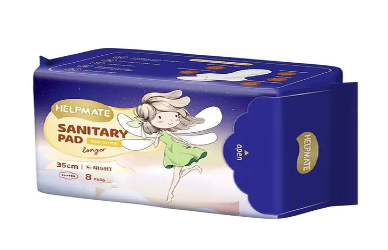
Selecting the right sanitary napkin is crucial for ensuring comfort, protection, and hygiene throughout your menstrual cycle. Using the correct pad helps prevent leaks, irritation, and discomfort, allowing you to go about your day with confidence. Here are the key factors to consider when choosing a sanitary napkin:
Absorbency is one of the most important factors in choosing the right pad. You need to select a pad based on the heaviness of your flow:
Light Flow: For lighter days, choose a pad labeled "light" or "pantyliner," which provides minimal absorbency and comfort.
Regular Flow: On average flow days, a "regular" pad offers a good balance of absorbency and comfort.
Heavy Flow: For heavy flow days or overnight use, go for "super" or "overnight" pads, which are designed with extra absorbency to prevent leaks.
The material of the pad affects comfort and skin health. Natural materials like cotton are softer and breathable, making them a good choice for sensitive skin. Synthetic materials like polyester or rayon can provide higher absorbency but may not be as gentle. If you have sensitive skin or are prone to irritation, consider choosing organic or hypoallergenic options.
The size of the pad determines the level of protection. Larger pads provide more coverage and are generally better for overnight use or for those with a heavy flow. Smaller, more compact pads are ideal for daytime use, especially on lighter flow days.
Pads come in various shapes to fit different body types and personal preferences. Some pads are longer or have a more contoured design, offering better coverage and protection, especially for active users. Pads with wings help keep the pad in place and prevent leaks, while wingless pads offer more comfort and discreteness, ideal for lighter days.
For Heavy Flow Days: Choose a longer, more absorbent pad with wings for extra security and leak protection.
For Light Flow Days: Opt for a thin, comfortable pad or pantyliner that suits your flow without feeling bulky.
For Overnight Use: Select an extra-long, high-absorbency pad with a wider back to prevent leaks while you sleep.
For Sensitive Skin: Look for cotton-based or organic pads that are fragrance-free and hypoallergenic to avoid irritation.
Maintaining good personal hygiene during your period is essential to prevent infections, irritation, and discomfort. Here are some important hygiene practices to follow throughout your menstrual cycle:
It’s crucial to wash your genital area regularly to remove menstrual blood, sweat, and bacteria. Washing helps maintain freshness and reduces the risk of infections, such as yeast infections or urinary tract infections (UTIs). Use warm water to gently clean the area, and avoid harsh scrubbing, which can irritate sensitive skin. Regular cleaning also helps reduce odor and keeps you feeling comfortable throughout the day.
When washing the genital area, it’s important to use gentle, unscented soaps or cleansers. Fragrances and harsh chemicals in scented soaps can irritate the sensitive skin around your vulva and disrupt the natural pH balance, leading to dryness or infections. Opt for hypoallergenic or specially formulated feminine hygiene products that are mild and free from dyes or chemicals. This will help protect your skin while maintaining cleanliness.
Keeping the genital area dry is essential for maintaining hygiene and preventing irritation or infections. Wetness from sweat or menstrual blood can create an environment that promotes bacterial growth. After washing, make sure to dry the area gently with a clean towel. Additionally, wearing breathable fabrics, like cotton underwear, helps to reduce moisture buildup and allows air circulation, keeping the area dry and fresh. Avoid tight-fitting synthetic fabrics that trap moisture, as they can lead to discomfort or rashes.
Staying hydrated and maintaining a balanced diet during your period is crucial for maintaining energy, health, and reducing menstrual discomfort.
Hydration helps prevent fatigue, bloating, and headaches. Drinking water supports digestion and circulation, reducing menstrual discomfort. A balanced diet with vitamins, minerals, and fiber helps regulate hormones and reduces mood swings.
Leafy Greens: High in magnesium, which reduces muscle tension and cramps.
Nuts and Seeds: Rich in omega-3 fatty acids, known for their anti-inflammatory effects.
Fruits: Bananas, oranges, and berries help reduce bloating and boost immunity.
Whole Grains: Brown rice, oats, and quinoa aid digestion and reduce bloating.
Caffeine: Can worsen cramps, cause dehydration, and increase anxiety. Limit coffee and caffeinated drinks.
Salty Foods: High-sodium foods cause bloating and water retention. Reducing salt intake helps prevent discomfort.
Period pain is a common issue, but there are several methods to help alleviate cramps and discomfort. Incorporating the right strategies can make a significant difference in your menstrual experience.
Heat Pads: Applying heat to your abdomen can relax the muscles and help relieve cramps. A heating pad or warm water bottle is often one of the most effective methods for reducing pain.
Exercises: Light exercises like walking, yoga, or stretching can increase blood circulation and release endorphins, which act as natural pain relievers.
Over-the-Counter Medication: Non-prescription pain relievers, such as ibuprofen or acetaminophen, can help reduce inflammation and ease cramps. Always follow the recommended dosage.
Rest: Adequate rest is crucial during your period. Fatigue can intensify cramps, so make sure to get enough sleep and allow your body time to recover.
Stress Reduction: Stress can worsen period pain, so practicing relaxation techniques such as deep breathing, meditation, or gentle stretching can help manage both pain and mood swings.
Staying active during your period can actually help ease discomfort and improve your mood. Gentle movement can relieve cramps, reduce bloating, and boost your overall well-being. Here are some ways to stay comfortable and active during your menstrual cycle:
Exercise promotes blood circulation and releases endorphins, which are natural pain relievers. Light physical activity, like walking or yoga, can help relax your muscles, reduce menstrual cramps, and elevate your mood. Staying active also helps combat fatigue and improves energy levels during your period.
Wear Breathable Clothing: Opt for loose-fitting, breathable fabrics like cotton to keep comfortable and prevent irritation. Tight clothing can restrict movement and add to discomfort.
Engage in Light Exercises: Activities like walking, swimming, or gentle yoga can help relieve cramps and improve circulation without overexerting yourself.
Take Breaks: If you feel fatigued or uncomfortable, take regular breaks to rest and recharge. Avoid overexerting yourself and listen to your body’s needs.
Tracking your menstrual cycle offers numerous benefits for your health and well-being. It helps you understand your body's patterns, manage your symptoms, and prepare for your period more effectively.
By tracking your period, you can predict when your next cycle will occur, helping you prepare ahead of time with supplies and any necessary adjustments to your routine. It also helps you recognize irregularities, such as missed periods or changes in flow, which can indicate underlying health issues that may require medical attention.
Managing Your Flow: Tracking your cycle helps you anticipate the intensity and duration of your flow, allowing you to choose the right sanitary products (e.g., pads or tampons) and plan your activities.
Pain Management: Knowing when your period is coming can help you prepare for cramps or discomfort. You can plan for pain relief strategies like heat pads or over-the-counter medications in advance.
Overall Wellness: Monitoring your cycle also helps track other symptoms, such as mood swings, headaches, or fatigue. This gives you a clearer picture of your hormonal changes and helps you manage them with diet, exercise, and relaxation techniques.
A1: It's recommended to change your sanitary napkin every 4-6 hours to maintain hygiene, prevent leaks, and avoid irritation.
A2: Yes, light exercises such as walking or yoga can help relieve period cramps and improve your mood. Just be sure to wear comfortable, breathable clothing.
A3: It's best to avoid scented sanitary napkins as they may cause irritation or allergic reactions, especially for sensitive skin. Opt for fragrance-free options.
A4: Applying heat to the abdomen, staying hydrated, and practicing relaxation techniques like deep breathing can help ease period cramps naturally.
To have a comfortable and healthy period, it's essential to prioritize self-care through various steps. Start by choosing the right sanitary napkin based on your flow, material preferences, and comfort needs. Maintain personal hygiene by regularly washing with gentle, unscented soaps, staying dry, and wearing breathable fabrics. A balanced diet, staying hydrated, and consuming foods that alleviate cramps, like leafy greens and fruits, are crucial for energy and reducing discomfort. Managing pain through heat pads, light exercises, and over-the-counter medications can help alleviate cramps, while rest and stress reduction techniques support overall well-being. Tracking your cycle allows you to better prepare for your period, manage symptoms, and maintain overall health. By incorporating these practices, you can ensure a more comfortable, healthy, and stress-free menstrual experience.
If you need to purchase comfortable and healthy sanitary napkins, please feel free to contact us.


