

Views: 0 Author: Site Editor Publish Time: 2026-03-11 Origin: Site


Changing a baby’s diaper is an essential and regular task for parents and caregivers. Doing it correctly ensures hygiene, comfort, and the prevention of rashes or discomfort for your baby. Whether you're a first-time parent or experienced caregiver, learning the proper steps and techniques for changing a baby diaper can make the process easier and more effective.
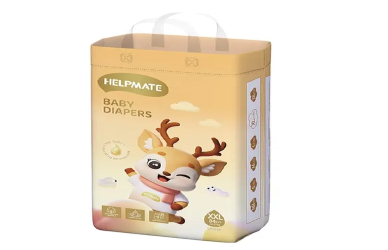
Diapering is not just about changing a dirty diaper; it’s also a crucial part of maintaining your baby’s skin health and comfort. A well-done diaper change helps to:
Prevent diaper rashes: By ensuring your baby’s bottom stays clean and dry.
Increase comfort: A properly fitted diaper will keep your baby more comfortable and less fussy.
Maintain hygiene: Changing your baby’s diaper regularly helps avoid infections or bacteria growth.
Enhance bonding: Diaper changes offer an opportunity for you to bond with your baby and show them care.
Knowing how to change a diaper correctly is fundamental to these outcomes. Below is a step-by-step guide to ensure you’re doing it right every time.
Changing a baby’s diaper involves a few key steps that ensure the process is safe, hygienic, and effective. Follow this step-by-step guide for the best diapering experience.
Before starting, gather all the essential supplies you'll need. Preparation is key to a smooth diaper change.
Item | Why You Need It |
Diaper | A fresh diaper is necessary to replace the used one. |
Baby Wipes | To clean your baby’s bottom gently and effectively. |
Diaper Cream | Prevents diaper rash and keeps the skin healthy. |
Changing Pad | A safe surface for your baby to lie on. |
Disposable Bag | For easy disposal of the used diaper. |
Hand Sanitizer | To ensure cleanliness after the diaper change. |
Ensure that everything is within reach so you can easily access the items during the diaper change.
Find a flat, stable surface to lay your baby down on, such as a changing table or a clean bed. Make sure you always keep one hand on your baby to prevent them from rolling off.
Position Your Baby Properly: Lay your baby on their back, with their head and upper body supported comfortably.
Safety First: Never leave your baby unattended on a changing table or high surface.
Once your baby is safely positioned, it’s time to remove the soiled diaper.
Open the Diaper: Unfasten the diaper tabs on both sides, but don’t remove it completely just yet.
Lift Baby’s Legs: Gently hold your baby’s legs by the ankles and lift their bottom. This allows you to remove the dirty diaper easily.
Wipe Away Waste: Use the front of the dirty diaper to gently wipe away any solid waste. Fold the dirty diaper inward to contain messes.
Cleaning your baby’s bottom is one of the most important steps in the diaper-changing process.
Use Baby Wipes: Wipe from front to back, making sure to clean all the folds in the skin. This helps prevent any residue from causing irritation or infection, especially for girls.
Use a Soft Cloth (Optional): If you prefer, you can use a soft cloth and warm water instead of wipes.
Diaper rash can occur if your baby’s skin is exposed to moisture for too long. To help prevent this:
Apply a Thin Layer of Diaper Cream: If your baby has sensitive skin or a rash, applying a diaper cream can create a protective barrier to keep the skin dry and soothe any irritation.
Choose an Appropriate Product: Look for diaper creams with zinc oxide or petroleum jelly as these are effective in protecting against moisture and treating rashes.
Now, it’s time to put on a fresh diaper. Here’s how to do it correctly:
Position the Diaper: Place the clean diaper under your baby, ensuring the back part is level with your baby’s belly button.
Secure the Diaper: Fasten the diaper tabs securely but not too tightly. Make sure it fits snugly around the legs and waist to avoid leaks, but it shouldn’t be so tight that it leaves marks on your baby’s skin.
Check for Comfort: Ensure that the diaper isn’t too loose or tight. The diaper should allow movement while keeping the area dry.
Dispose of the soiled diaper quickly and safely to avoid contamination and unpleasant odors.
Roll the Used Diaper: Roll up the dirty diaper tightly and use the tabs to secure it.
Place in a Diaper Disposal Bag: Use a disposable diaper bag to contain the used diaper, keeping your home environment clean.
Dispose of It Properly: Place the diaper in a designated trash can.
After disposing of the dirty diaper, it’s important to clean up:
Wash Your Hands Thoroughly: Always wash your hands with soap and water after changing a diaper. If soap and water aren’t available, use hand sanitizer.
Clean the Changing Area: Wipe down the changing pad or surface to ensure it stays hygienic for the next use.
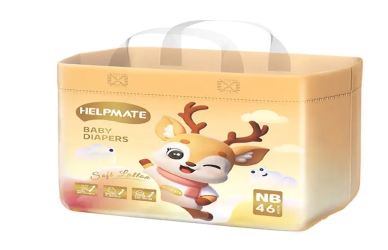
Changing a baby’s diaper is a routine task, but small mistakes can lead to discomfort, skin irritation, or health issues. Here are some common mistakes to avoid during a diaper change to ensure your baby stays comfortable, healthy, and happy:
A poorly fitted diaper can cause leaks, irritation, and discomfort. It’s important to ensure the diaper fits properly.
Diapers Too Tight: Diapers that are too tight around the waist or legs can cause redness and restrict movement. Tight diapers can also lead to rashes due to trapped moisture.
Solution: The diaper should be snug but not tight. You should be able to fit two fingers between the diaper and your baby’s waist.
Diapers Too Loose: Loose diapers can lead to leaks and discomfort, as they may shift or not fit properly.
Solution: Ensure the diaper is securely fastened around the waist and legs to avoid leaks and discomfort.
Improper cleaning can lead to rashes and infections, especially in sensitive areas.
Improper Wiping: Wiping in the wrong direction can spread bacteria or lead to infections, especially in girls.
Solution: Always wipe front to back to prevent bacteria transfer and ensure thorough cleaning.
Not Using Enough Wipes: Using only one wipe may leave residue, which causes irritation.
Solution: Use enough wipes to thoroughly clean all areas, including skin folds.
Delaying diaper changes can cause discomfort and skin issues.
Leaving a Wet or Soiled Diaper: Prolonged contact with moisture or stool can lead to diaper rash and irritation.
Solution: Change your baby’s diaper every 2-3 hours or as soon as it becomes soiled to avoid skin irritation.
By avoiding these mistakes, you’ll ensure your baby stays comfortable, healthy, and free from irritation. Proper diapering promotes hygiene and well-being, keeping your baby happy throughout the day.
Changing a baby’s diaper promptly is essential for their comfort and hygiene. Here are some guidelines on when to change:
After Every Feeding: Babies tend to soil their diapers soon after feeding, so it’s a good idea to check and change them after meals.
Every 2-3 Hours: On average, babies need a fresh diaper every 2-3 hours, especially during the day.
When It’s Soiled: Always change your baby’s diaper immediately after they’ve soiled it to prevent irritation and keep them clean.
It’s recommended to change your baby’s diaper right before bedtime and again in the morning, depending on how wet the diaper is. Some babies may need fewer changes during the night, especially with overnight diapers designed for longer absorbency.
Yes, baby wipes are safe for most babies. However, opt for fragrance-free, alcohol-free wipes to avoid irritation. If your baby has sensitive skin, you may want to use a damp cloth instead of wipes.
Yes, cloth diapers are a great option for parents looking for an eco-friendly alternative. They require more maintenance, such as washing, but they are reusable and typically less expensive in the long run.
If your baby gets a rash, make sure to change their diaper more frequently, use a rash cream with zinc oxide, and let your baby have some time without a diaper to air out their skin. If the rash persists, consult a pediatrician.
Changing a baby’s diaper may seem daunting at first, but with practice, it becomes a quick and routine task. By following the steps outlined above, you ensure your baby stays comfortable, dry, and rash-free. Remember to always prepare the changing area, clean thoroughly, and use a properly fitted diaper. Keep in mind that diaper changes are an opportunity for bonding and providing care to your little one, so make the process as smooth and comforting as possible for both you and your baby.
If you need to purchase or consult about baby diapers, please feel free to contact us.


