

Views: 0 Author: Site Editor Publish Time: 2026-08-14 Origin: Site


Newborn skin is up to 30% thinner than adult skin. This makes it highly permeable and susceptible to contact dermatitis, friction injuries, and chemical irritation. The diaper market is saturated with unregulated marketing terms like "hypoallergenic" and "gentle." Consumers struggle to differentiate between diapers that merely feel soft and those engineered with actual medical-grade or pure cotton components to prevent severe diaper rash and allergic reactions. Moving beyond surface-level marketing requires an objective evaluation of diaper construction. We must specifically focus on liner materials, chemical processing methods like Total Chlorine Free bleaching, and the structural realities of cotton touch newborn diapers. By understanding the engineering behind fluid management and material sourcing, caretakers can make informed decisions that prioritize dermatological health over aesthetic appeal.
Material Authenticity: True 100% cotton liners significantly reduce mechanical friction and chemical exposure compared to synthetic, petroleum-based "cotton-feel" alternatives.
Chemical Processing Matters: Total Chlorine Free (TCF) bleaching and the complete elimination of fragrances, dyes, and lotions are mandatory baseline criteria for sensitive skin baby diapers.
The Absorbency Trade-off: Natural fibers require advanced core engineering to match the moisture-wicking speed of pure synthetics; evaluating this balance is critical to preventing moisture-induced rashes.
Supply Chain Transparency: Verifying the sourcing practices of a baby diaper manufacturer is the most reliable way to confirm organic or unbleached material claims.
The stratum corneum is the outermost layer of the epidermis. It acts as the primary defense against environmental aggressors. In newborns, this layer remains structurally underdeveloped for the first several months of life. The cellular network is less dense. The lipid barrier lacks the complex organization found in older children and adults. This anatomical reality results in a higher rate of transepidermal water loss (TEWL). TEWL measures the amount of water that passively evaporates through the skin to the external environment. Newborns have a significantly higher TEWL rate than adults, meaning their skin dries out faster, leading to micro-cracks.
When you place a non-breathable plastic diaper over this vulnerable skin, you trap sweat and urine. This creates a humid microclimate that exacerbates the breakdown of the stratum corneum. Irritants bypass the weakened barrier rapidly. Establishing baseline success criteria for a diaper requires addressing these specific vulnerabilities directly. A successful diapering environment must maintain strict dryness, offer a low-friction contact surface, and preserve a neutral pH. Any deviation from these baseline metrics accelerates epidermal breakdown. This leads to microscopic tears and subsequent inflammation. I have seen firsthand how quickly a minor red patch escalates into broken, bleeding skin when the diaper environment traps heat and moisture.
Diaper rash rarely stems from a single factor. It typically results from a destructive triad: moisture, friction, and chemical exposure. Prolonged moisture exposure softens the skin through maceration, making it highly susceptible to physical damage. Mechanical friction from rigid diaper materials then degrades this compromised skin surface as the baby moves. Finally, chemical reactions occur when urea in urine mixes with fecal enzymes. This combination creates highly alkaline ammonia. The ammonia raises the skin's pH, activating proteases and lipases that literally digest the epidermal proteins.
Standard disposable diapers often fail babies with eczema, hyper-sensitive skin, or specific contact allergies because they introduce additional chemical variables. Synthetic diaper lotions, artificial fragrances, and dyes trigger severe allergic contact dermatitis. For these vulnerable demographics, utilizing sensitive skin baby diapers that eliminate unnecessary chemical additives is a clinical necessity. Common irritants found in standard diapers include:
Petroleum-based lotions applied to the topsheet.
Synthetic fragrances used to mask urine odors.
Disperse dyes used for wetness indicators and printed designs.
Residual volatile organic compounds (VOCs) from manufacturing adhesives.
The diaper industry frequently relies on misleading terminology to market products. Terms like "cotton-enhanced" or "cotton-feel" rarely indicate the presence of actual cotton against the skin. Instead, these terms usually describe spunbond polypropylene or polyethylene blends. Manufacturers mechanically brush or thermally treat these plastics to mimic the tactile softness of natural fibers. While these synthetics feel soft to the human hand, they remain petroleum-based plastics that trap heat and lack natural breathability.
In contrast, true 100% cotton liners utilize natural plant fibers for the topsheet. This is the layer directly touching the baby's most sensitive areas. Natural cotton offers superior thermal regulation and distinct moisture-wicking properties. When evaluating NB cotton touch diapers, you must verify the material composition of the topsheet. Genuine cotton reduces the coefficient of friction against damp skin. This significantly lowers the risk of mechanical abrasion during infant movement.
Material Performance Comparison
Performance Metric | Spunbond Polypropylene (Synthetic) | 100% Natural Cotton Topsheet |
|---|---|---|
Thermal Regulation | Traps body heat, increasing microclimate temperature. | Allows heat dissipation, keeping skin cooler. |
Friction Coefficient | Increases when wet, causing drag on the skin. | Remains low even when damp, preventing micro-tears. |
Breathability | Low natural airflow; relies entirely on backsheet. | High natural porosity allows vapor to escape. |
Source Material | Petroleum derivatives. | Plant-based agricultural fibers. |
Wood pulp is a primary component in the absorbent core of almost all disposable diapers. Historically, mills bleached this pulp using elemental chlorine. This process leaves behind trace amounts of dioxins. Dioxins are highly toxic environmental pollutants linked to developmental and reproductive issues. The industry largely shifted to Elemental Chlorine Free (ECF) processing, which uses chlorine dioxide. While ECF reduces dioxin formation, it does not eliminate chlorine entirely.
Total Chlorine Free (TCF) processing represents the highest standard for dermatological safety. TCF methods utilize hydrogen peroxide, ozone, or oxygen for bleaching. This completely removes chlorine and its derivatives from the manufacturing equation. For newborns with compromised skin barriers, avoiding dioxin exposure through strict adherence to TCF processing is a non-negotiable standard.
Validating organic cotton claims requires looking beyond packaging graphics to recognized third-party certifications. Standards like OEKO-TEX Standard 100 confirm the absence of harmful substances. The Global Organic Textile Standard (GOTS) verifies the organic status of textiles from harvesting through environmentally and socially responsible manufacturing. These certifications provide objective proof of material safety.
Unbleached materials offer tangible skin-health benefits. They retain natural plant oils and avoid harsh chemical treatments entirely. While pure white diapers hold aesthetic appeal, the bleaching process strips natural fibers of some inherent softness. Many premium brands now utilize partially unbleached materials, such as 70% unbleached cores. This balances fluid capacity with chemical reduction. Evaluating these ratios helps determine the true dermatological value of the product.
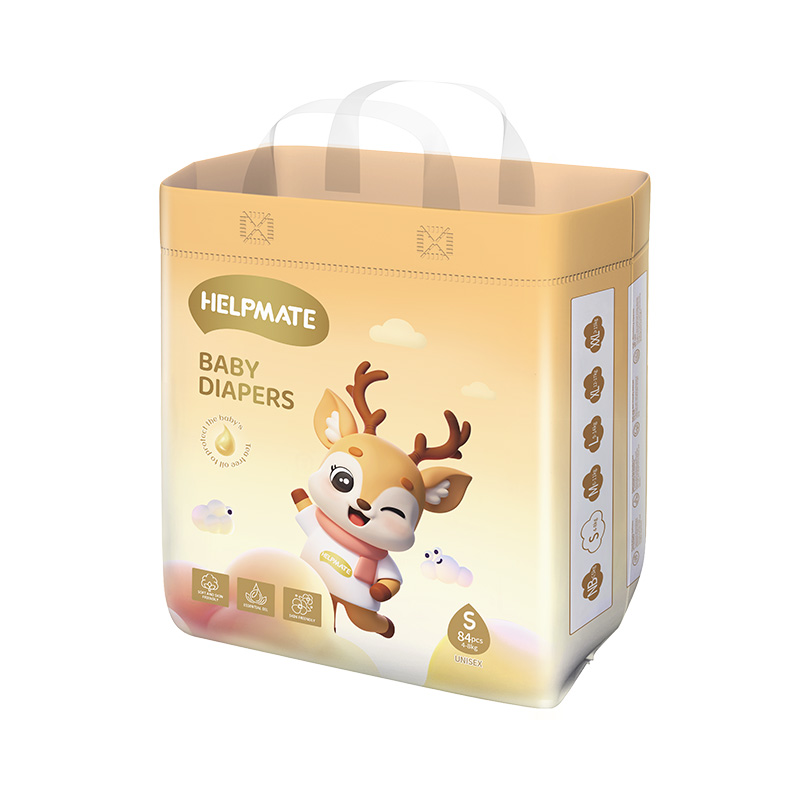
Thermal regulation within the diaper microclimate prevents heat rash and fungal infections. The construction of breathable baby diapers relies heavily on the engineering of the backsheet. Advanced designs utilize microporous films. These are polymeric layers stretched to create microscopic holes. The holes are large enough to allow water vapor to escape but small enough to block liquid water molecules.
When microporous backsheets work in tandem with natural cotton liners, the system effectively releases trapped humidity. This continuous airflow lowers the internal temperature of the diaper. It also reduces the relative humidity against the skin. Maintaining a cooler, drier microclimate directly inhibits the proliferation of yeast and bacteria. These pathogens thrive in damp, warm environments.
The absorbent core is the engine of any disposable diaper. Manufacturers typically engineer it from a matrix of Super Absorbent Polymers (SAP) mixed with fluffed wood pulp. SAP is typically made from sodium polyacrylate. These cross-linked polymers can absorb and retain liquid up to 300 times their mass. The pulp provides rapid initial absorption, while the SAP locks the fluid away under pressure.
However, SAP absorbs fluid relatively slowly. This is why the Acquisition and Distribution Layer (ADL) is necessary. The ADL acts as a rapid-transit system. It pulls urine away from the topsheet instantly and spreads it evenly across the SAP core. Natural fibers like cotton hold onto moisture differently than synthetic plastics. Ensuring soft newborn diapers wick moisture away fast enough to prevent the cotton liner from remaining damp requires advanced ADL engineering. Without a high-functioning ADL, the urine pools on the surface, keeping the cotton wet against the baby's skin and accelerating maceration.
A diaper's structural integrity dictates its ability to contain waste without causing physical trauma to the infant. Newborn-specific designs must incorporate umbilical cord cutouts. This prevents friction against the healing stump. Elastic gusset tension must be precisely calibrated. If it is too loose, the diaper leaks. If it is too tight, it restricts circulation and causes red friction marks.
Blowout prevention mechanisms rely on dual-layer leg cuffs and flexible back waistbands. The back waistband must feature a pocketed design or high-stretch elastic to catch liquid stool before it travels up the infant's back. Material flexibility impacts the seal around newborn legs. Stiff materials gap during movement, leading to leaks. Real-world testing metrics prioritize a "no blowout, no leak" standard. The diaper must conform to the infant's changing shape dynamically. It must maintain a secure barrier without relying on excessive elastic compression.
To evaluate structural integrity, check the following points during a diaper change:
Run a finger under the leg gussets to ensure they sit flat against the inner thigh without digging into the skin.
Verify the back waistband stretches easily to accommodate stomach expansion after feeding.
Check the umbilical cutout to ensure it sits at least one inch below the navel.
Inspect the side tabs for secure adhesion that does not unfasten during leg kicking.
Premium cotton diapers require a higher upfront investment compared to standard synthetic options. However, evaluating the total value requires analyzing secondary cost reductions. Infants suffering from chronic irritant dermatitis require frequent applications of barrier creams, specialized ointments, and occasionally prescription antifungal or corticosteroid treatments. These medical supplies add up quickly.
Furthermore, standard diapers that fail to contain blowouts result in increased laundry loads. They ruin clothing and drive up water and electricity usage. By investing in high-quality materials that maintain skin integrity and offer superior containment, caretakers often offset the initial premium. You see significant reductions in medical supplies, secondary cleaning costs, and pediatric consultations.
For babies with extreme sensitivities or diagnosed contact allergies, comparing premium disposable cotton diapers against 100% organic cotton cloth diapering systems is necessary. Organic cloth systems eliminate SAP and synthetic plastics entirely. They offer an unmatched level of purity for compromised skin.
You must weigh the superior skin-soothing benefits of pure organic cloth against the convenience and advanced moisture-wicking capabilities of premium disposables. Cloth diapers require immediate changing upon voiding. They lack the chemical polymers that lock moisture away from the surface. Disposables provide longer wear times, particularly overnight, reducing sleep disruptions.
Comparison of Diapering Systems for Sensitive Skin
Feature | Premium Disposable Cotton Diapers | 100% Organic Cloth Diapers |
|---|---|---|
Moisture Wicking | High (utilizes SAP cores) | Low (requires immediate changing) |
Chemical Exposure | Very Low (if TCF and fragrance-free) | Zero (pure natural fibers) |
Convenience | High (single-use, easy disposal) | Low (requires rigorous wash routines) |
Overnight Performance | Excellent (keeps skin dry for hours) | Moderate (requires heavy boosting inserts) |
Skin Friction | Low (soft topsheet) | Very Low (natural textile drape) |
The ecological footprint of plant-based, cotton-lined disposables is generally lower than that of traditional petroleum-based plastics. Manufacturing processes that utilize renewable resources and TCF bleaching release fewer toxins into the environment. However, setting realistic expectations regarding biodegradability is necessary.
Even diapers utilizing organic cotton topsheets and plant-based backsheets contain Super Absorbent Polymers and elastic components. These materials do not readily degrade in standard landfill conditions. While the cotton elements decompose, the diaper as a whole remains a disposable product. Caretakers must balance the undeniable convenience and dermatological benefits of these products against the reality of municipal waste management systems.
Transparency is the most critical metric when evaluating a baby diaper manufacturer. Red flags include vague terminology, a lack of specific material disclosures, and the absence of verifiable contact information. Reliable manufacturers provide clear tracing of cotton origins. They detail their manufacturing conditions and often hold ISO certifications for quality management. A reputable manufacturer will also allow independent auditors to inspect their facilities for labor practices and environmental compliance.
Relying solely on in-house claims is insufficient. You must look for a combination of third-party dermatological testing, such as Dermatest certification, and real-world parent validation. Independent mom-tested awards and clinical trial results offer a more accurate representation of how the product performs on actual newborn skin under daily stress conditions.
Greenwashing occurs when companies exaggerate the environmental or health benefits of their products. To mitigate this risk, you must scrutinize diaper packaging labels meticulously. Distinguish between phrases like "contains cotton," which might mean a 1% blend in the outer cover, and "100% cotton topsheet," which guarantees pure material against the skin.
A practical strategy for parents is to conduct a small-batch patch test before committing to a bulk monthly subscription. Purchase a single pack. Apply the diaper during waking hours. Monitor the skin for redness, chafing, or allergic reactions. This localized testing prevents large-scale financial waste and protects the infant from prolonged exposure to incompatible materials.
To implement a safe and effective diapering strategy for sensitive newborn skin, follow these immediate steps:
Purchase a single trial pack of two distinct shortlisted TCF cotton brands to evaluate physical fit and material drape before buying in bulk.
Conduct a 48-hour daytime test to monitor the infant's skin for any localized erythema, chafing, or contact reactions.
Evaluate the umbilical cord cutout during the first fitting to ensure proper clearance and verify no friction occurs on the healing stump.
Assess the overnight moisture-wicking capability to confirm the absorbent core pulls fluid away from the cotton liner rapidly without leaking.
A: Not always. Many standard diapers use "cotton-enhanced" synthetic materials like polypropylene that are mechanically brushed for softness. You must read the ingredient list to verify if the diaper features a true 100% cotton topsheet touching the skin.
A: "Hypoallergenic" is an unregulated marketing term and does not guarantee the absence of allergens. Instead of relying on this buzzword, look for specific exclusions on the label, such as fragrance-free, lotion-free, dye-free, and Total Chlorine Free (TCF).
A: The best option is a diaper that eliminates chemical irritants and maintains airflow. Look for TCF, fragrance-free, breathable diapers with a pure cotton liner, and combine this with highly frequent changing to minimize moisture exposure.
A: Organic cloth diapers eliminate Super Absorbent Polymers and plastics entirely, making them excellent for severe allergies. However, they lack the rapid moisture-wicking of disposables, requiring immediate changes to prevent wetness-induced rashes.
A: No. Leak prevention relies on the engineering of the absorbent core, the tension of the leg gussets, and the back waistband. The softness of the inner liner does not negatively impact the diaper's ability to contain fluid.
A: Look for specific, verifiable third-party certifications. OEKO-TEX Standard 100, EWG Verified, Dermatest, or GOTS for organic components provide objective proof of safety, alongside independent clinical testing and parent-tested awards.


